I. Why I’m writing this
I had a chat with Lloyd Burr on BYO at Stuff.co.nz and dropped some controversial ideas this week in an interview, when asked whether sensible drug regulation could relieve international debt. I proposed regulating safer drug alternatives under a new NGO, building natural‑health communities to create homes for recovering addicts and the homeless, and changing New Zealand’s debt economy by leveraging our isolation to position ourselves as a global authority in natural medicine.
I want to go into those ideas in more detail because I was spit‑balling a bit in the interview, but these are deeply held visions. I wasn’t joking. My intention is to build on the foundations I’ve already established in leading development of our world leading drug regulatory system and put it into practice.
—
II. Could drug regulation absolve our national debt?
Let’s be honest — the debt is huge, close to two hundred billion, and the drug market here is maybe one percent of that. We’re not going to fix that debt by selling anything domestically.
However, when we promoted our regulatory model globally at the UN, we had a number of larger nations begin to follow with interest. Could we make it work?
We are a small, manoeuvrable country. The world looks to countries like us to develop solutions, and we owe it to them to grow into that role. Let’s be seen as more than just fast runners with good ball skills. Let’s offer the world a next‑level blueprint in social evolution.
New Zealand’s biggest exports are still meat and dairy, but the world is changing fast. Global protein markets are moving toward more efficient, lower‑impact food sources. If we stay tied to bulk commodities while other countries innovate, we’ll be overtaken. We can’t farm our way out of debt.
Our advantage is that we’re small, geographically and politically isolated, and agile. The smartest thing we can export is our intellectual property — our ideas, our systems, our innovations.
—
III. The global context: trauma as the crisis of our time
We’ve lived through a perfect storm — a pandemic, social fragmentation, information chaos, and now global instability. The scars aren’t just economic; they’re psychological. The crisis of our time is trauma.
The trauma medicines available shut down emotional processing, and we can’t afford a population dulled in that way. The only drug class showing promise for promptly addressing trauma are psychedelic drugs such as LSD, MDMA, and ketamine, but they also carry risks. There is absolutely a need for further product development — not just for therapeutic application, but also to explore whether we can provide softer, safer options for the millions who will use substances recreationally. That is a market of hundreds of millions of consumers currently being harmed, and billions of impacted lives of people around them.
The only country in the world with a purpose‑built regulatory framework to support the rapid development and deployment of new psychoactive substances is New Zealand. The onus is on us to do something with that ball while we have it. It’s a model that previously received “follow” interest from the UK, Australia, Canada, and others. The eyes of the world were on us. If we develop some products, and a decent model to manage them and export that to those populations, we are definitely in the league of clearing some debts.
IV. The cost of prohibition
Right now we spend billions dealing with the downstream effects of prohibition — crime, policing, courts, prisons, emergency services, and the harm caused by black‑market supply chains. All of that is wasted expenditure. And on the other side, we spend billions more trying to patch up the damage with health and social services that are constantly underfunded and constantly at risk of being cut every four years when governments change.
If we want real solutions, we can’t expect a single government to build them. We have to plant the seeds of a new kind of community ourselves. That’s why keeping this work inside an NGO matters — it protects the mission from political cycles and ensures continuity, stability, and long‑term care.
—
V. But should that be our primary goal?
What metric should we be chasing? Will simply clearing the debt heal the wounds in our nation, or is there something more dynamic we could offer while we have the world’s attention?
Nelson Mandela echoed Mahatma Gandhi when he said the true measure of a society is how it treats its most vulnerable.
Homelessness and addiction — intertwined — are on the rise in our nation. What if profits from psychoactive substance development were channelled there instead?
My vision is to first meet the needs of our most vulnerable locally and see whether there is a model we can build that will truly benefit the global community as an example.
—
VI. What about addiction?
Is it responsible to have regulated drugs without creating addicts?
(Well, what worked with party pills is we substituted non‑addictive drugs, so we didn’t have addicts. But let’s say we had some drugs available through special clinics with qualified counsellors — not corner stores.)
How do we deal with the impact on our most vulnerable?
Look up “Rat Park” and you’ll see the famous experiment where drug‑addicted rats were taken from their lonely little white cages and put in a community with activities and other rats — and they stopped their addictions. Just putting street people in state houses doesn’t cure what got them there.
Community and environment are the key drivers for addiction. Gabor Maté rocked the world with his revelation that addiction is not a crime or an illness, but a symptom of trauma.
If addiction is a symptom, then trauma is the driver. And if trauma heals in connection, then the world doesn’t just need new drugs — it needs new models of community. Let’s give them the whole package.
“The question is not why the addiction, but why the pain.”
Gabhor Maté:
“Trauma is healed through safety, connection, and embodied experience.”
Bessel van der Kolk (author of The Body Keeps the Score)
“The opposite of addiction is not sobriety. The opposite of addiction is connection.”
Johann Hari:
VII. The solution: community as medicine
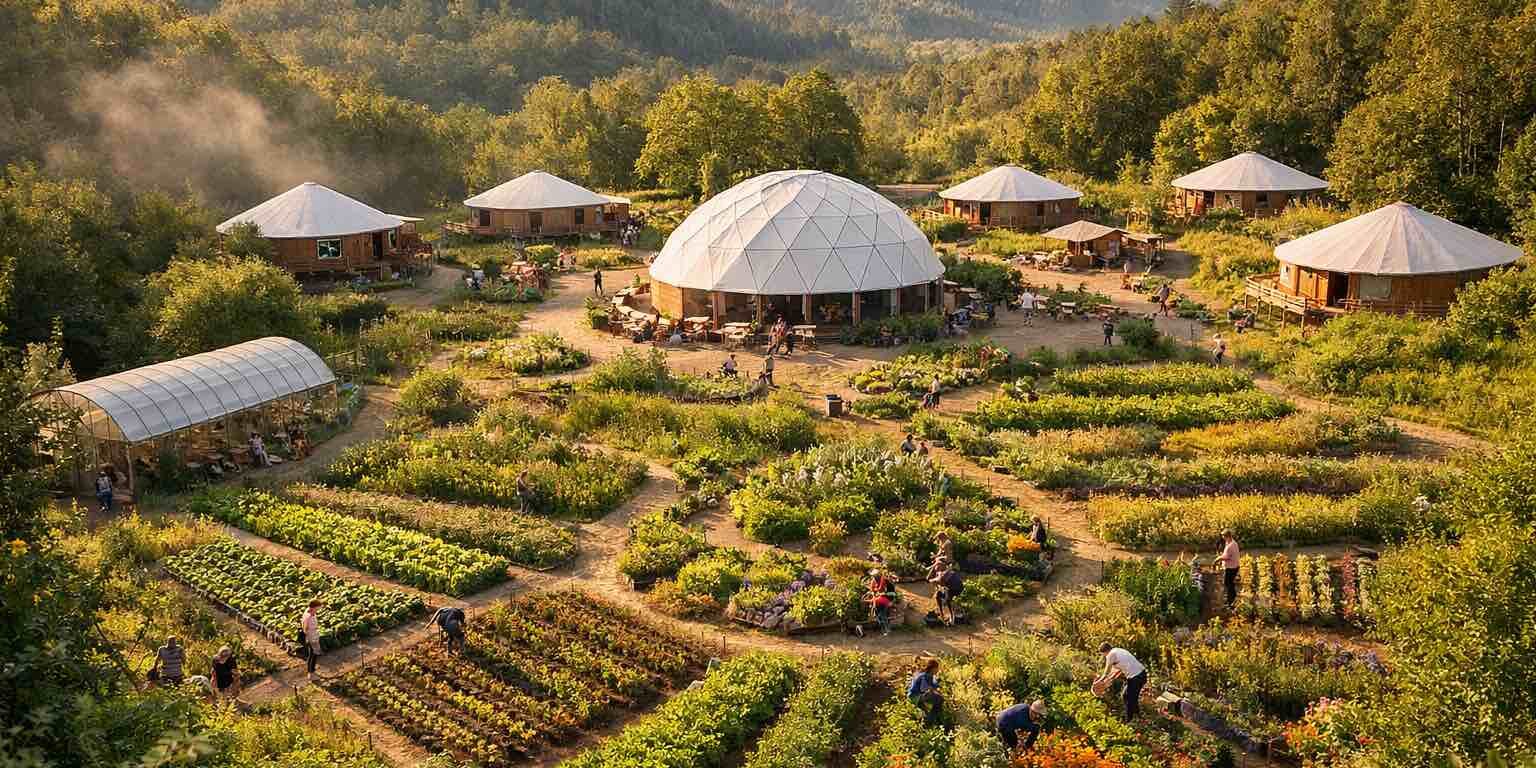
What happens if we keep our drug development, our intellectual property, and our licences inside an NGO whose purpose is to convert land into healing spaces?
Places where people can live in community, grow food, reconnect, and receive mental‑health support. Land that feeds the people living on it, a community gathering space, and land that grows plant medicines.
That’s the model I want to build: an NGO that researches plant medicines, develops sustainable food crops, and brings our lonely back into community.
Years ago, when I was selling party pills, I used the money to fund research into natural technology to interrupt addiction and support brain recovery — and we were getting results. I’d like to carry on that work, not just for those who use drugs, but also for those who say “no” to drugs and commercial medicines.
—
VIII. Natural health, land use, and NZ as sanctuary
Over the last five years we’ve seen a huge resurgence in wellness culture and a massive swing back toward natural health. More and more people are exploring their bodies’ relationship with plants and vitamins, choosing natural medicine, questioning commercial science, and asking hard questions about the influence of private interests in public health messaging.
And here’s the economic reality: medicinal and natural‑health crops can generate ten times the revenue per hectare compared to traditional farming. For a small country with limited land, that’s not just an opportunity — it’s a strategy.
In a world that’s becoming more unstable, our geographic isolation becomes one of our greatest assets. If there were ever environmental spillovers from conflicts in the northern hemisphere, New Zealand’s distance and relative safety would make us a critical sanctuary — a place where the natural healing capacity of the earth can still operate. Protecting the pristine nature of this land isn’t just a national value; it’s a global responsibility.
For those coming into our facilities for support, becoming a custodian of the land — joining a vision‑focused community — isn’t just an employment opportunity or the buzz of producing food that feeds the whānau. It fulfils a deeper sense of purpose and connection to all fellow humans.
—
IX. Closing: Community as exportable medicine
If the world needs trauma solutions, and trauma heals in community, then community itself becomes part of the medicine. And that’s something New Zealand can build, refine, and export.
